Hinomi vs Ergotune: Which Chair is Best for Your Comfort and Productivity?
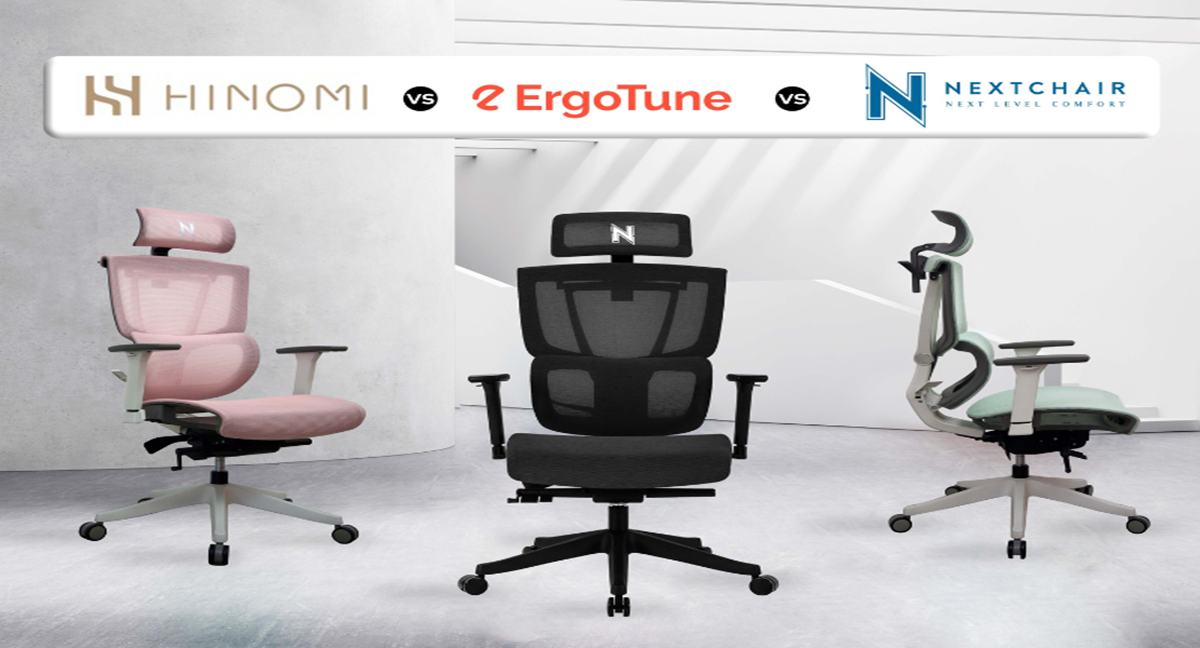
When it comes to choosing the perfect ergonomic chair, two names often come up in discussions among office workers, gamers, and home office enthusiasts: Hinomi and Ergotune. Both chairs promise excellent support, customizable features, and long-term comfort, but there are distinct differences that might make one more suitable for your needs than the other. In this article, we will explore the Hinomi vs Ergotune comparison in terms of design, ergonomics, durability, and value for money.
Design and Aesthetics
A chair is not just about comfort; it also contributes to the overall look of your workspace. The Hinomi chair boasts a sleek, modern design with minimalist lines. It often features mesh backs, adjustable armrests, and a variety of color options to fit contemporary office spaces. The Ergotune, on the other hand, focuses on functional design over aesthetics. While it may not offer as many color options, its shape and build prioritize ergonomic support, making it an excellent choice for long hours at a desk.
Ergonomic Features
The primary concern for anyone investing in a chair is ergonomics. Both Hinomi and Ergotune offer adjustable seat height, lumbar support, and reclining mechanisms, but the execution differs:
- Hinomi: Offers moderate lumbar support with adjustable backrests. It is ideal for users who prefer a balanced chair with some flexibility in posture adjustments. The seat cushioning is designed to relieve pressure points without compromising firmness.
- Ergotune: Focuses heavily on ergonomics with advanced lumbar adjustments, a highly supportive seat base, and a wider range of tilt options. Users often report reduced back and neck strain even during prolonged sitting.
When comparing Hinomi vs Ergotune, it’s clear that while both chairs offer ergonomic benefits, the Ergotune slightly edges out in terms of adjustable support and overall posture enhancement.
Build Quality and Durability
Durability is a significant factor when choosing a chair that should last for years. The Hinomi chair is constructed with high-quality mesh and sturdy metal frames, making it reliable for standard office use. However, the Ergotune chair uses reinforced materials designed to withstand long-term daily use. Its build quality is often praised for stability and longevity, especially for heavier users or those sitting for extended periods.
In a direct comparison of Hinomi vs Ergotune, the Ergotune appears more robust, although Hinomi provides adequate support for average use cases.
Comfort Levels
Comfort is subjective, but user feedback provides valuable insights. The Hinomi chair offers a breathable mesh back, moderate cushioning, and comfortable armrests. Many users enjoy its light and airy feel. Conversely, the Ergotune chair emphasizes cushioning and full ergonomic support, with options to adjust the lumbar, headrest, and arm angles precisely. While Hinomi is comfortable for shorter periods, Ergotune is designed for extended work or gaming sessions without discomfort.
Adjustability and Customization
One of the defining features when choosing between Hinomi vs Ergotune is adjustability:
- Hinomi: Provides basic seat height and back tilt adjustments. Armrests may be adjustable, but the range is often limited.
- Ergotune: Offers extensive customization with independently adjustable lumbar support, headrest height, seat depth, and armrest angles. This flexibility ensures that each user can tailor the chair to their body type and workflow.
If you prioritize personalization and precise adjustments, Ergotune is the preferred choice.
Price and Value for Money
Pricing can be a deciding factor. The Hinomi chair is generally more affordable, offering decent ergonomic support at a lower cost. This makes it suitable for budget-conscious buyers who want comfort without splurging. The Ergotune chair, while more expensive, justifies its price through superior ergonomics, adjustability, and durability. When comparing Hinomi vs Ergotune, it’s important to consider whether short-term savings outweigh long-term benefits.
Pros and Cons
Hinomi
Pros:
- Sleek, modern design
- Lightweight and breathable
- Budget-friendly
Cons:
- Limited adjustability
- Moderate lumbar support
- Best for shorter usage durations
Ergotune
Pros:
- Highly adjustable for personalized comfort
- Excellent lumbar and neck support
- Durable build for long-term use
Cons:
- Higher price point
- Heavier than Hinomi
- Design may not appeal to everyone
User Reviews and Feedback
Customer experiences provide real-world insight. Users of the Hinomi chair often appreciate its simplicity and comfort for moderate use. Many highlight that it works well for home offices or casual gaming setups. In contrast, Ergotune users consistently report improved posture, less fatigue, and overall satisfaction with ergonomic features, especially for full-day office work or intensive gaming.
Final Verdict: Hinomi vs Ergotune
Ultimately, the choice between Hinomi vs Ergotune depends on your priorities:
- If you want a stylish, budget-friendly chair for moderate daily use, Hinomi is a solid choice.
- If your priority is full ergonomic support, durability, and adjustability for long hours of sitting, Ergotune is the better investment.
Both chairs cater to different audiences, but for those who spend most of their day sitting, Ergotune is likely the superior option despite its higher price.